


There are over 380,000 registered clinical studies in the U.S., but 80% fail to meet their expected enrollment size. What is driving these clinical trial recruitment challenges? To keep timelines on track, sponsors must rethink their recruitment strategies and reduce the burden on potential participants.
Stakeholders across the clinical research industry face common hurdles when finding eligible participants for a new study. Fortunately, leading experts can shed light on these barriers and how clinical trial recruitment efforts can improve.
20/20 Onsite provides point-of-need field execution for hybrid and decentralized clinical trials. We want to explore what holds back potential patients from participating in medical research. We’ve uncovered the top three common barriers to trial enrollment with insights from the research community.
Recruitment Barrier #1: Financial Obligations
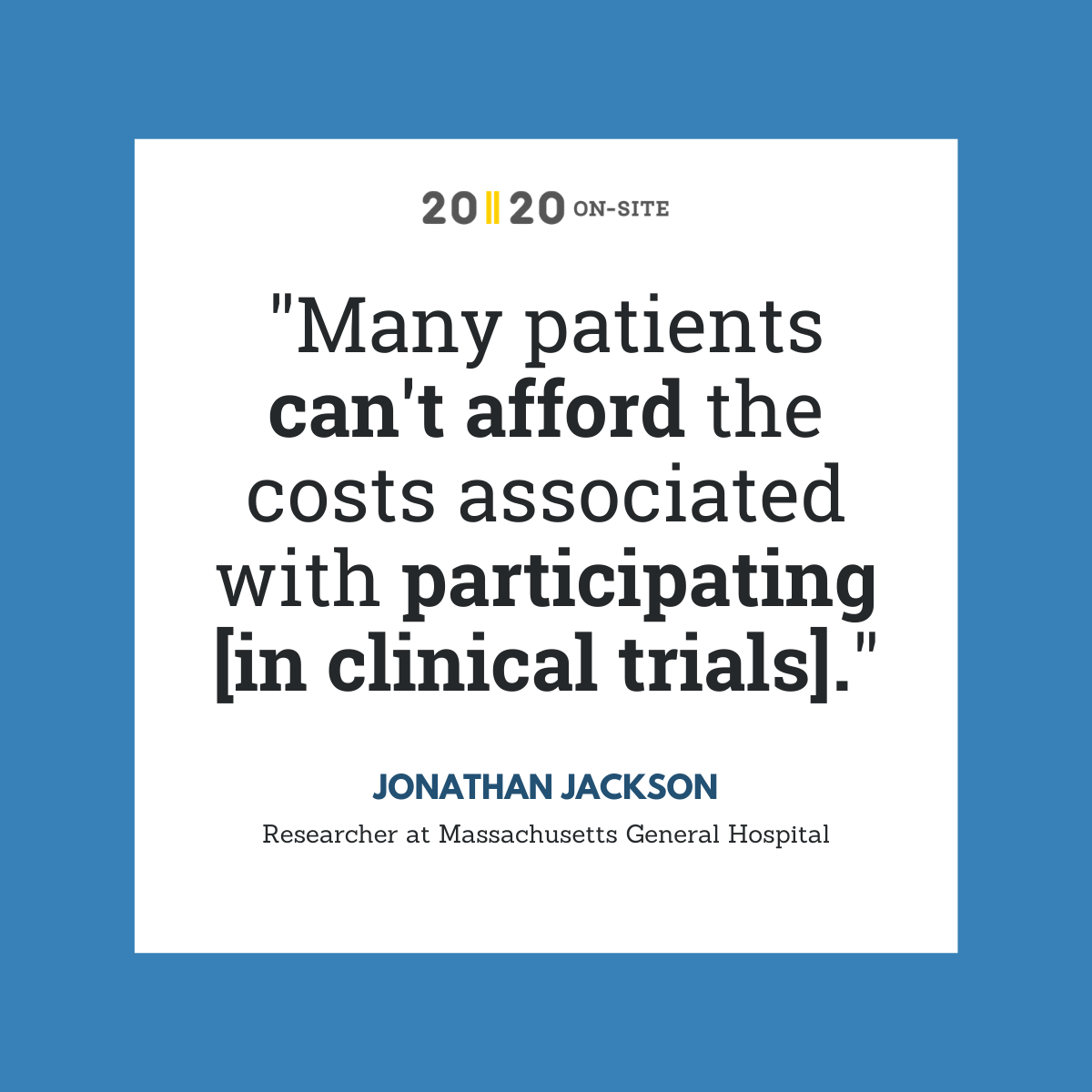
Jonathan Jackson, a researcher at Massachusetts General Hospital claims “many patients can't afford the costs associated with participating [in clinical trials].” In Jackson’s study, many participants who come to clinical trials in Boston may not live in the area, resulting in costs for flights, hotels, childcare, and time off of work. Even those who live in Boston may not be able to afford the costs of traveling to a research site.
Oftentimes, this cost to participate in a clinical trial can deter prospective patients. Furthermore, patients can become overwhelmed or confused by what is financially expected of them when overloaded with information.
Additionally, by lessening the financial burden on participants, researchers can increase the pool of potential patients. This means sponsors can have a more diverse clinical trial, reaching individuals who truly represent the population they are trying to treat.
One way to combat this challenge is to bring clinical trials directly to the individual. Our mobile vision clinics travel to patients, both assisting the sponsor by sharing or completely owning the transportation expenses while shifting the travel burden away from the patient.
It is highly convenient for participants dealing with financial burdens or health conditions to access care locally. 20/20 Onsite saves both the patient population and the clinical trial sites time and money by delivering point-of-need medical research directly to them.
Recruitment Barrier #2: Transportation and Distance to Site
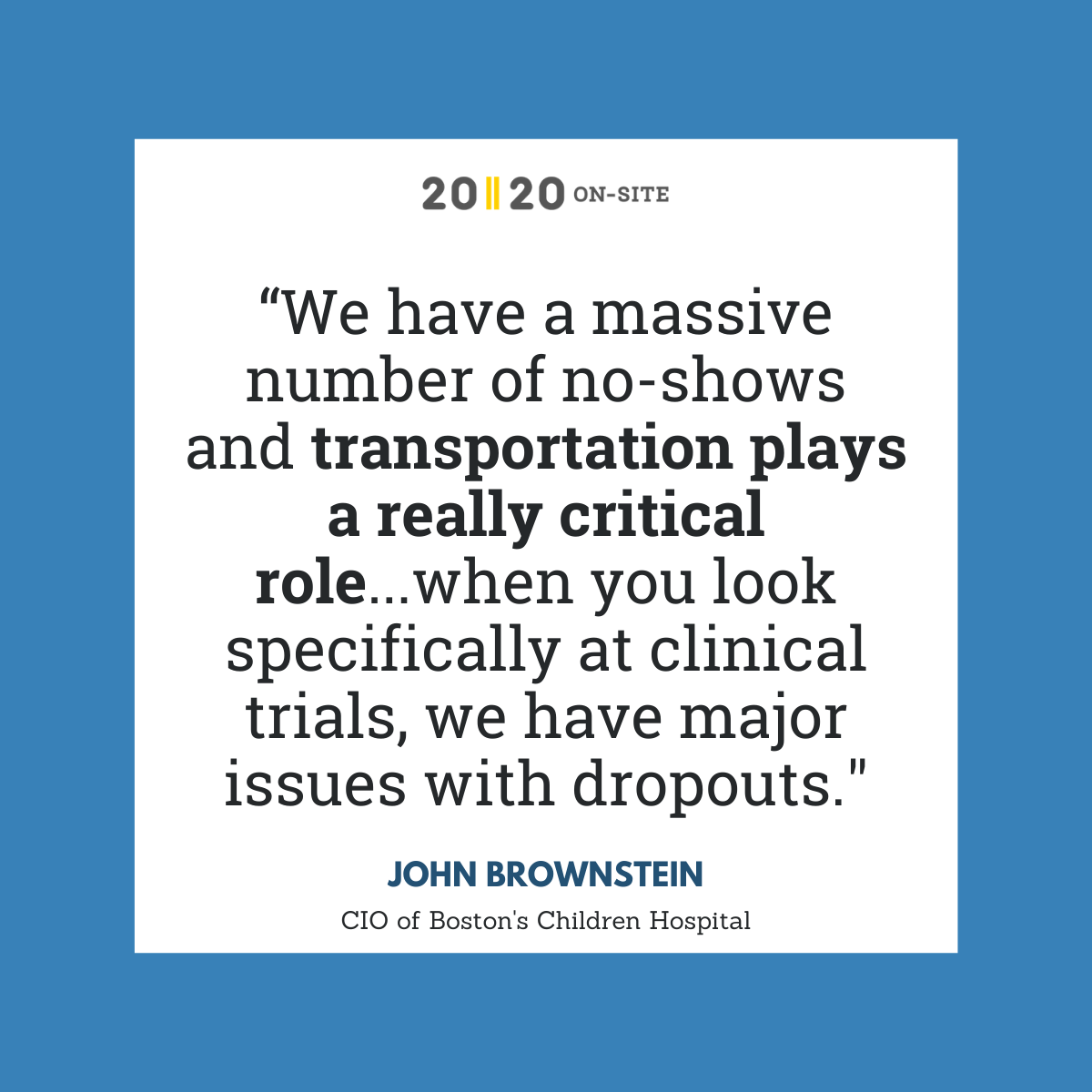
John Brownstein, CIO of Boston’s Children Hospital states, “We have a massive number of no-shows and transportation plays a really critical role. And when you look specifically at clinical trials, we have major issues with dropouts and we know some of those are just about logistics, just about getting to those trial sites."
According to one study, geography and the distance to the clinical site was the main barrier for trial participation for 60% of patients. This is especially true if the study requires multiple follow-up appointments a month or involves multiple locations for endpoint collection, requiring patients to take time out of their day to get treatment.
Even if the site is relatively close to a patient’s home, the process of traveling to be seen by a doctor still requires effort and time. Someone taking local transit to a site may still need to take time off work to account for station changes or certain bus schedules. Those depending on a ride from a loved one must wait to be picked up and dropped off. All of these actions, no matter how close patients live to research sites, take time out of their day.
It is critical to reduce stress for local participants adjusting their daily routines. Incorporating mobile clinics into your hybrid trial design alleviates these logistical burdens. By reducing traditional in-person visits, you boost retention and allow patients to access new drugs from anywhere.
Recruitment Barrier #3: Lack of Awareness and Communication
If no one has heard of a trial, how will they know to enroll? Poor outreach is a common barrier to patient recruitment. Once diagnosed, participants often rely on their healthcare providers for treatment options. Equipping these physicians with clear eligibility criteria improves early recruitment efforts.
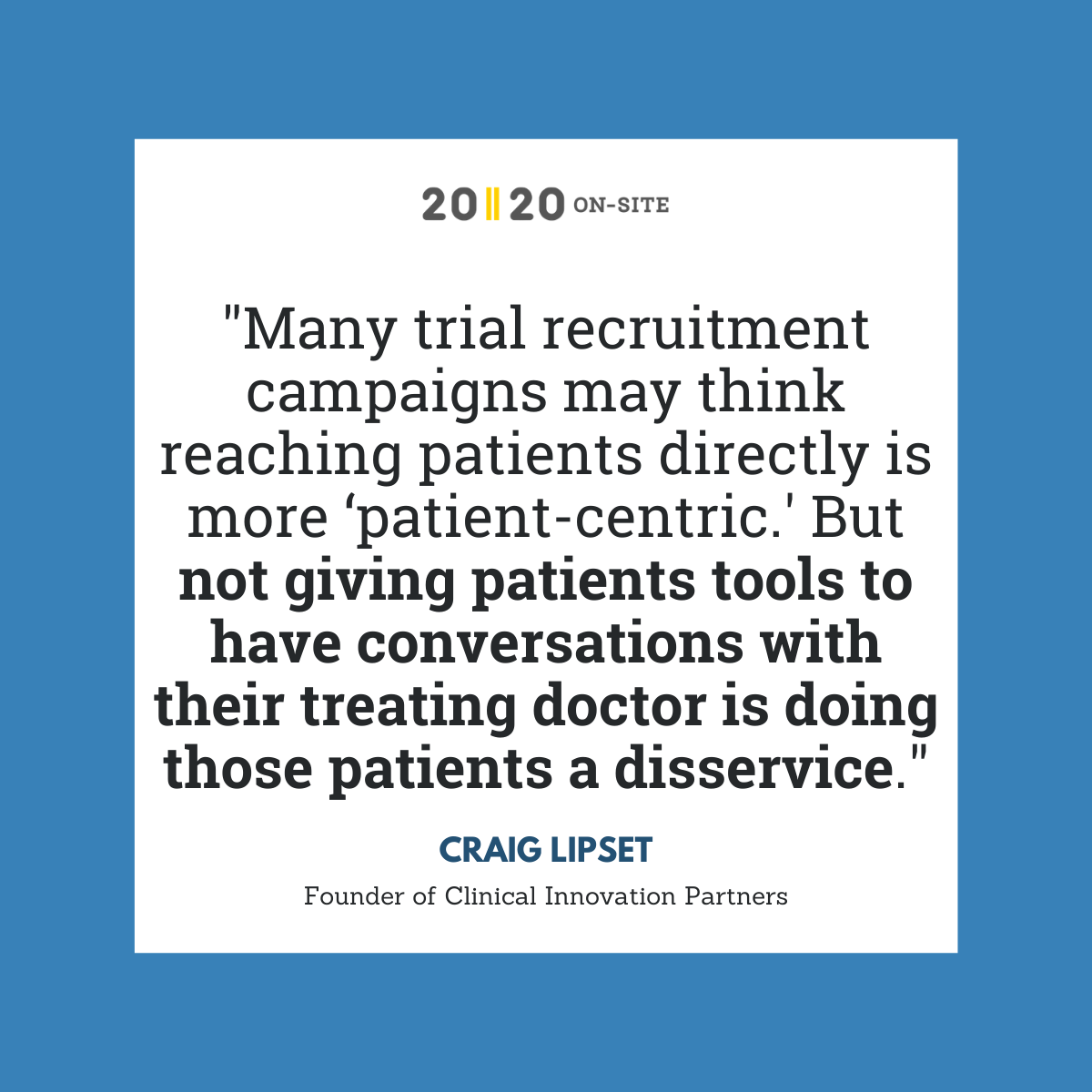
Craig Lipset, founder of Clinical Innovation Partners and former head of clinical innovation at Pfizer, notes, “many trial recruitment campaigns may think reaching patients directly is more ‘patient-centric.’ But not giving patients tools to have conversations with their treating doctor is doing those patients a disservice.”
In addition to the lack of awareness, there is an opportunity to improve communication with patients before a trial begins. This dialogue can answer questions such as:
- How long will this trial last?
- What is expected of the patient during this time?
- How often can patients expect to be notified of results or next steps?
- Where and when will treatment take place?
Mark Summers, President of Patient Engagement at WIRB-Copernicus Group (WCG) states, “if you're maintaining ongoing communication with the patient, you're going to greatly reduce the chance of lost follow-ups.” Without clear communication, patients can feel lost or confused which increases likely dropout rates.
Conclusion: Overcoming Patient Recruitment Barriers
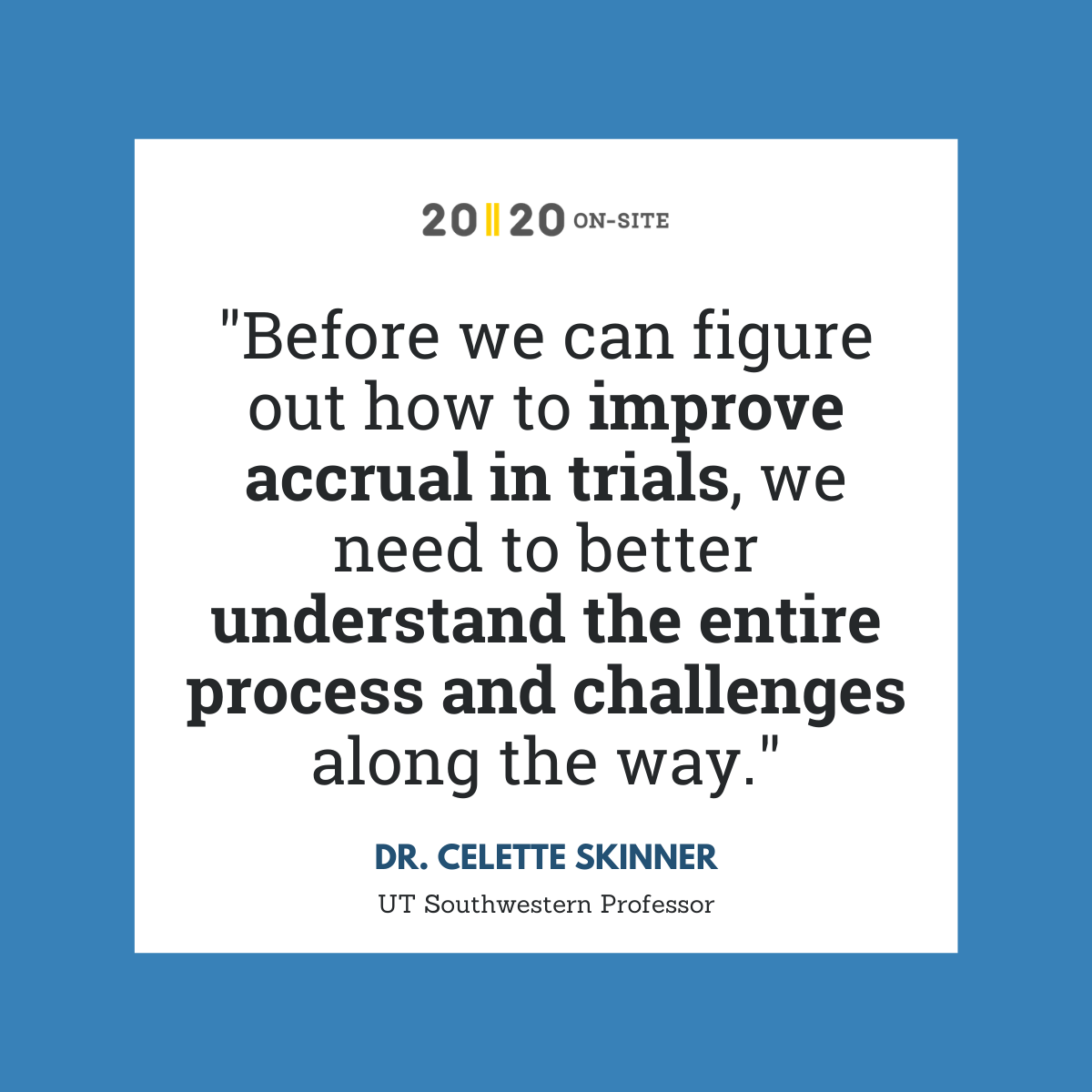
UT Southwestern Professor Dr. Celette Skinner states that “Before we can figure out how to improve accrual in trials, we need to better understand the entire process and challenges along the way.”
Common barriers like financial costs, travel time, and miscommunication severely impact the recruitment process. 20/20 Onsite uses a point-of-need approach to provide easier access for individuals interested in clinical trial participation. Our goal is to help sponsors and CROs streamline operations while improving the patient experience.
Interested in learning how 20/20 Onsite's specialized execution solves these clinical trial recruitment challenges? Read more here.